
An AI agent on WhatsApp: handling inbound leads
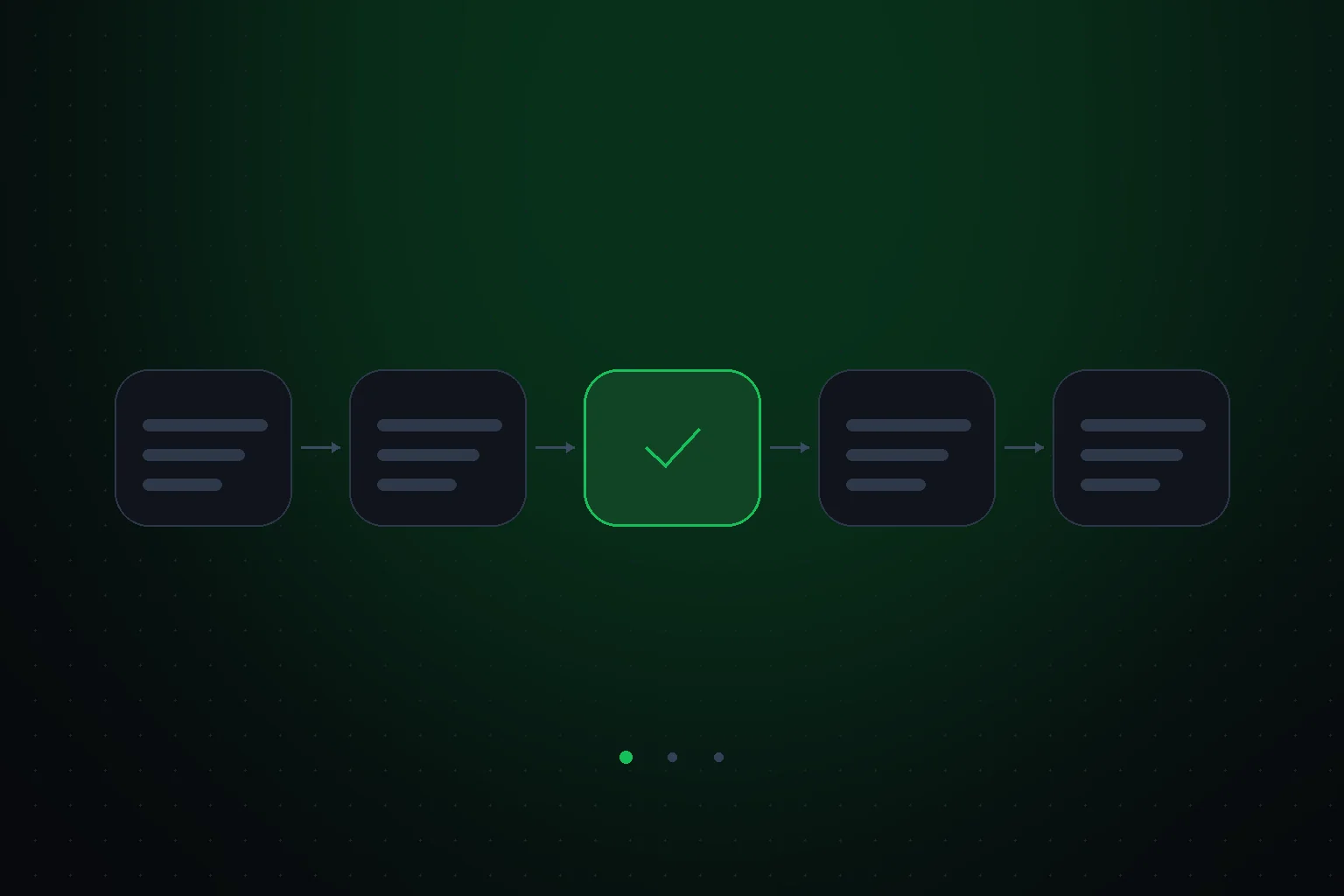
An AI agent on WhatsApp takes over the first few minutes of every enquiry: it replies at once, asks the questions a salesperson would ask, creates the lead in your CRM and hands over a customer whose needs are already clear. It doesn't replace your sales team or haggle over price. Its job is to make sure a message that lands at 11pm from an ad campaign doesn't sit unanswered until morning, and that the rep opens a record that already says what the person wants.
Why UAE businesses start with WhatsApp
Customers in Dubai and Abu Dhabi write wherever suits them, and most of the time that means WhatsApp rather than a website form or email. The usual result: enquiries land on reps' personal phones, chat history walks out the door when someone leaves, and the head of sales has no idea how many messages went unanswered. An agent only makes sense on top of a sound setup, which means one business number connected to the CRM instead of ten personal ones.
What the agent does with an incoming message
A typical sales flow goes like this. The agent greets the customer in their language, whether English, Arabic or Russian, and finds out the three or four things a rep needs before a conversation is worth having: what they need, when, who it is for and how they prefer to be contacted. It writes the answers into lead fields rather than a wall of text. If the question is simple and the answer sits in your knowledge base (address, opening hours, list of services), the agent replies on its own. If the customer wants a quote for their specific case, has a complaint or simply asks for a person, the chat goes to a rep along with a short summary.
That boundary matters. The agent doesn't promise discounts, quote timelines nobody has signed off on, or argue. Anything outside the script goes to a human.
WhatsApp rules you need to plan for
Business messaging with an agent runs on the WhatsApp Business Platform, which has rules of its own. The first is the 24-hour customer service window. You can send free-form messages until 24 hours have passed since the customer last wrote; after that, you can only reach out with a pre-approved template. An agent meant to «follow up next week» has to be built around templates, or the follow-up never goes out.
The second: since 15 January 2026, Meta no longer allows general-purpose AI assistants on the platform, meaning services where the chatbot itself is the product. Bots that serve a specific company's customers (enquiries, bookings, order status, support) are not affected. That is why the agent is built around your own scenarios, not as «ChatGPT on WhatsApp».
Personal data in the chat
A conversation with a customer is personal data. Mainland companies fall under Federal Decree-Law No. 45 of 2021, while DIFC and ADGM run their own regimes. In practice that means knowing where chat history is stored and which staff can see it, and making sure the agent doesn't ask for more than it needs, such as a passport copy when a name and phone number will do. The legal side is your lawyer's call. Our side is a setup that makes those rules possible to follow.
Where to start and what it costs
Start with one stream, usually inbound leads from ads, and a short list of qualifying questions. After a few weeks the CRM shows how many enquiries the agent passed to reps and where customers drop off, and that data tells you whether to widen the scope. The core of MakeBiz AI agents starts from 6,000 AED, and you can get a rough budget for your set of roles in the calculator.
We will show on your own lead flow what the agent can handle and what stays with your team
Let us discuss your project
Leave a contact and we reply within a business day. We run a short diagnostic and tell you where to start